
Automation Parts Machined to Drawing
Automation and robotics demand lightweight, repeatable components that hold their geometry over millions of cycles. JIANGCHENG machines housings, brackets, gears and drive parts to your drawing, with tight tolerances and finishes suited to production machinery.
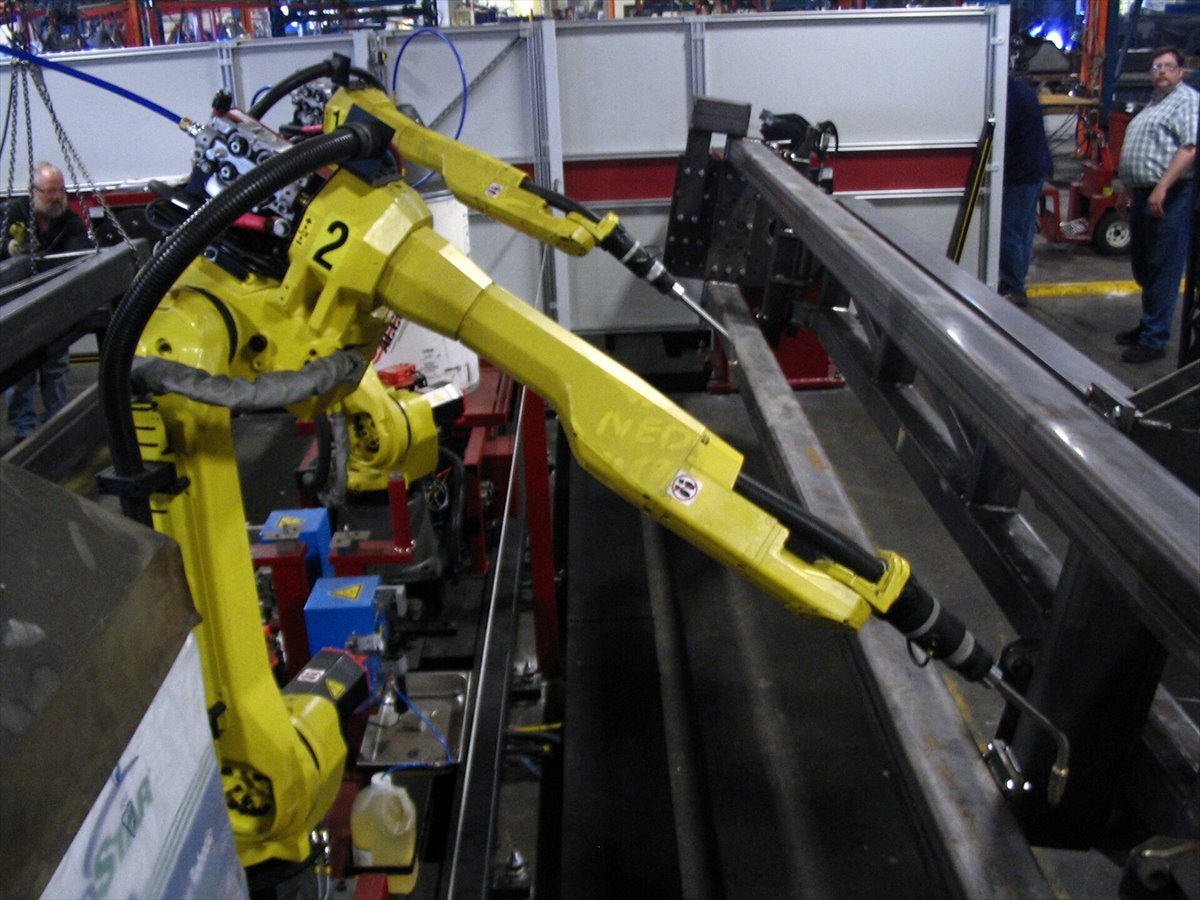
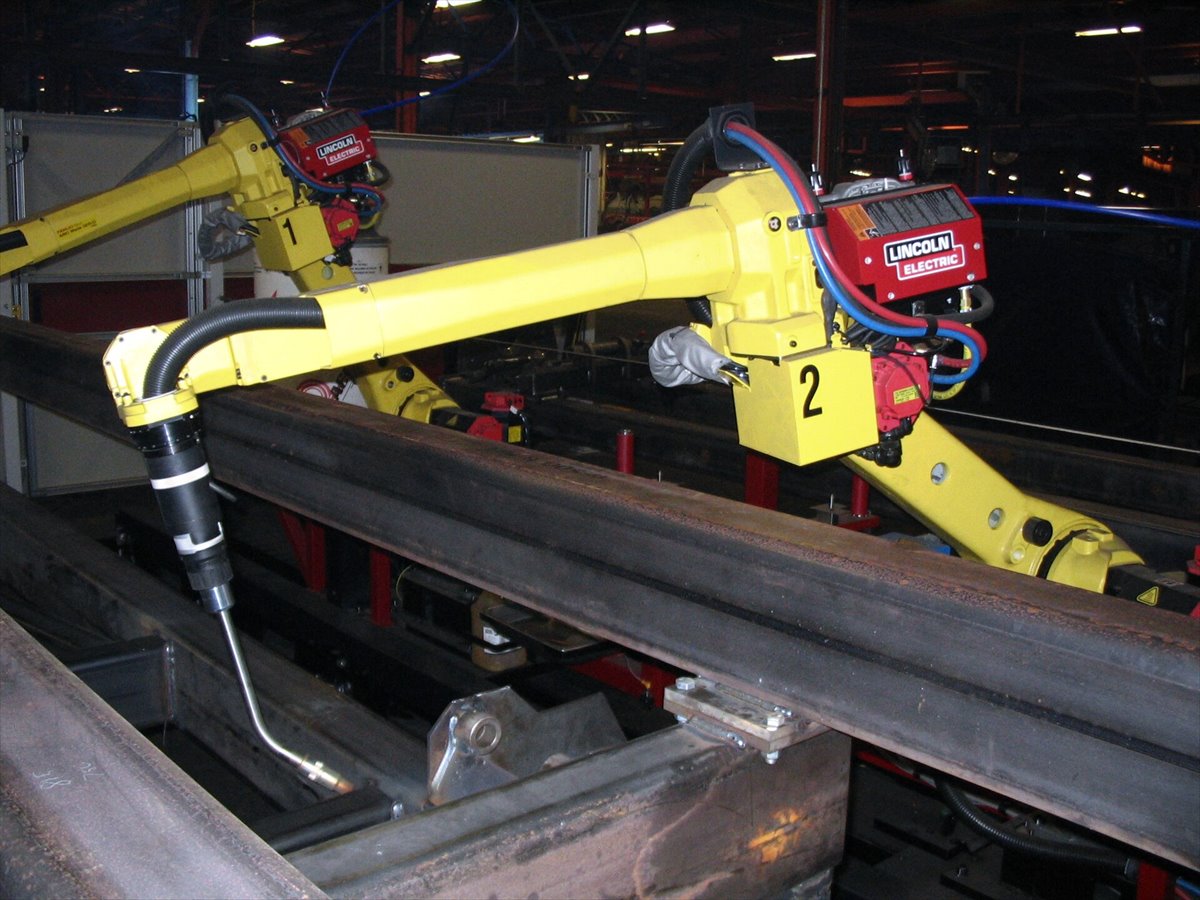
Stock photographs — not our premises.
Typical Automation Parts
- End effectors and gripper components
- Structural brackets and frames
- Gears, pulleys and drive components
- Sensor and motor housings
- Joint pins, shafts and bearing seats
Materials
| Material | Why It Is Used | Typical Parts |
|---|---|---|
| Aluminum | Lightweight, machinable | Frames, brackets, housings |
| Stainless Steel | Strength and corrosion resistance | Shafts, fasteners, wear parts |
| Engineering Plastics | Low friction, light weight | Gears, bushings, covers |
Capabilities
- 3-axis and 5-axis CNC machining
- CNC turning and mill-turn
- Sheet metal fabrication for enclosures and brackets
- Anodizing and other surface finishes
- Rapid prototyping for automation development
Applications
Robotic arms, automation machinery, packaging lines, material handling and machine tool components all rely on precision-machined parts for reliable, high-cycle performance.
Frequently Asked Questions
What automation parts can you machine?
End effectors, structural frames, gears, pulleys, motor housings, joint pins and shafts.
Why use aluminum for automation parts?
Its light weight and high machinability reduce inertia while keeping structures strong.
Can you prototype automation components?
Yes, rapid prototyping with CNC and 3D printing supports fast automation development cycles.