
What is Sheet Metal Fabrication?
Sheet metal fabrication turns flat metal sheets into finished enclosures, brackets and assemblies through cutting, forming and finishing processes. It is a cost-effective way to produce durable metal parts for electronics, automation and industrial equipment.
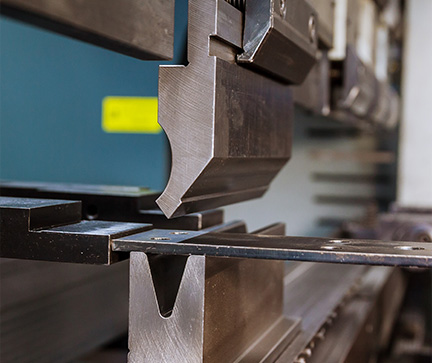
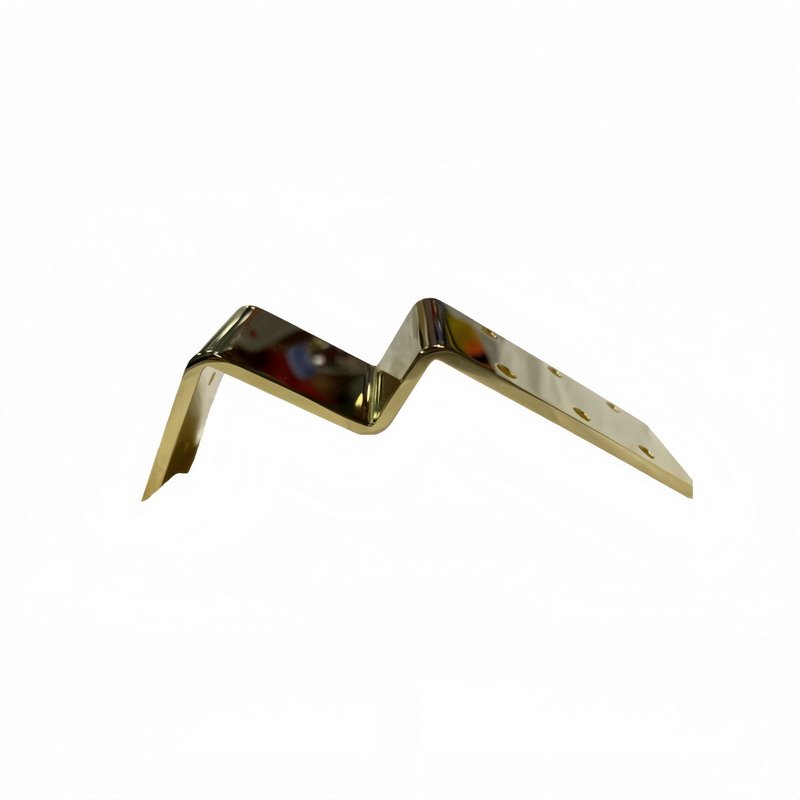
Sheet Metal Fabrication Processes
| Process | Description |
|---|---|
| Laser Cutting | High-precision cutting of complex profiles |
| Punching / Stamping | High-speed hole and feature forming |
| Bending | Folding sheet into angles and shapes |
| Welding | Joining components into assemblies |
| Riveting | Mechanical fastening of layers |
Materials for Sheet Metal
| Material | Typical Use |
|---|---|
| Cold-Rolled Steel | General enclosures, brackets |
| Galvanized Steel | Corrosion-resistant parts |
| Stainless Steel | Food, medical, marine |
| Aluminum | Lightweight enclosures |
| Copper | Conductive, decorative parts |
Tolerances for Sheet Metal Parts
Sheet metal parts can be produced to any of the ISO 2768-1 general tolerance classes. Class m (medium) is the default — the usual class for enclosures, chassis and brackets — and a drawing can call for a tighter or looser one.
| Nominal size (mm) | f (fine) | m (medium) | c (coarse) | v (very coarse) |
|---|---|---|---|---|
| 0.5 – 3 | ±0.05 | ±0.1 | ±0.2 | — |
| >3 – 6 | ±0.05 | ±0.1 | ±0.3 | ±0.5 |
| >6 – 30 | ±0.1 | ±0.2 | ±0.5 | ±1.0 |
| >30 – 120 | ±0.15 | ±0.3 | ±0.8 | ±1.5 |
| >120 – 400 | ±0.2 | ±0.5 | ±1.2 | ±2.5 |
| >400 – 1000 | ±0.3 | ±0.8 | ±2.0 | ±4.0 |
| >1000 – 2000 | ±0.5 | ±1.2 | ±3.0 | ±6.0 |
Angular tolerances to the same standard depend on the length of the shorter side of the angle:
| Shorter side (mm) | f / m | c | v |
|---|---|---|---|
| up to 10 | ±1° | ±1°30′ | ±3° |
| >10 – 50 | ±0°30′ | ±1° | ±2° |
| >50 – 120 | ±0°20′ | ±0°30′ | ±1° |
| >120 – 400 | ±0°10′ | ±0°15′ | ±0°30′ |
| >400 | ±0°5′ | ±0°10′ | ±0°20′ |
Rule of thumb: general chassis and cabinet work runs to m, small precision sheet metal to f, and large weld-free frames to c.
Surface Finishing
- Powder coating and painting
- Silk-screen printing
- Plating and anodizing
- Laser engraving
Advantages of Sheet Metal Fabrication
- Durable — strong, rigid metal parts.
- Cost-Effective — economical for low-to-medium volumes.
- Versatile — suitable for enclosures, brackets and assemblies.
- Fast — parts delivered in days.
Applications
Enclosures and chassis, control panels, brackets and mounts, and precision sheet metal prototypes across electronics, automation and industrial equipment.
How to Choose a Sheet Metal Supplier
- Confirm cutting, bending and welding capabilities.
- Check available materials and thicknesses.
- Ask about finishing options and tolerances.