
Wood for Prototyping
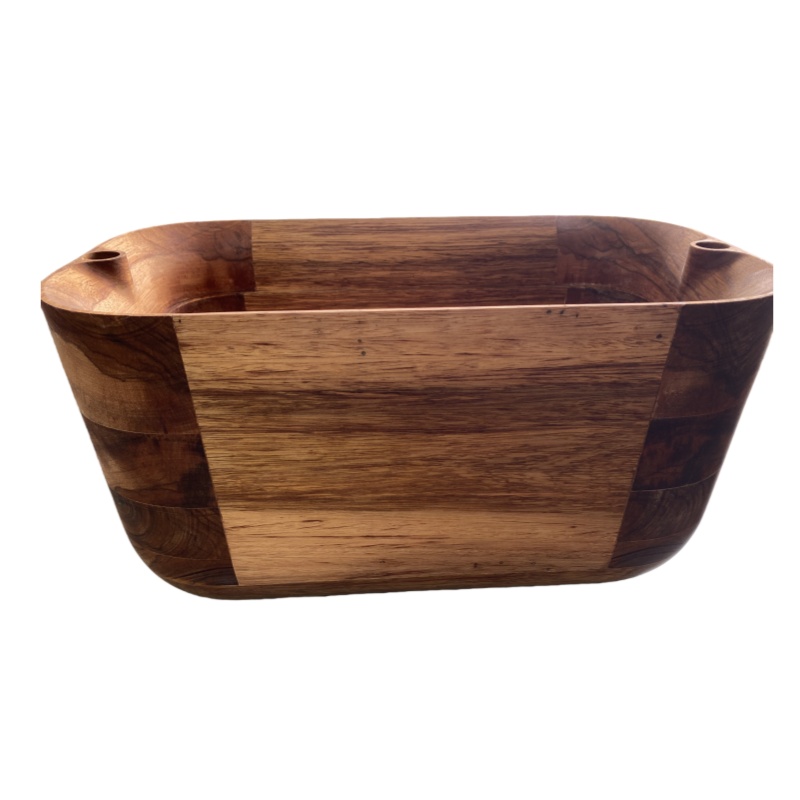
Wood is a fast, low-cost option for appearance models, display prototypes and functional jigs. CNC routing cuts wood quickly and precisely, making it ideal for early design validation and presentation pieces.
It is also the cheapest way to prove a form before committing to metal or tooling. A routed wooden model costs a fraction of a machined alloy part — and if the shape is wrong, you change the drawing and cut another one.
Properties & Benefits
- Fast — quick cutting and short lead times.
- Low Cost — inexpensive material and machining.
- Easy Finishing — sanding, painting and staining.
- Lightweight — easy to handle and display.
Common Materials
| Material | Characteristics | Typical Use |
|---|---|---|
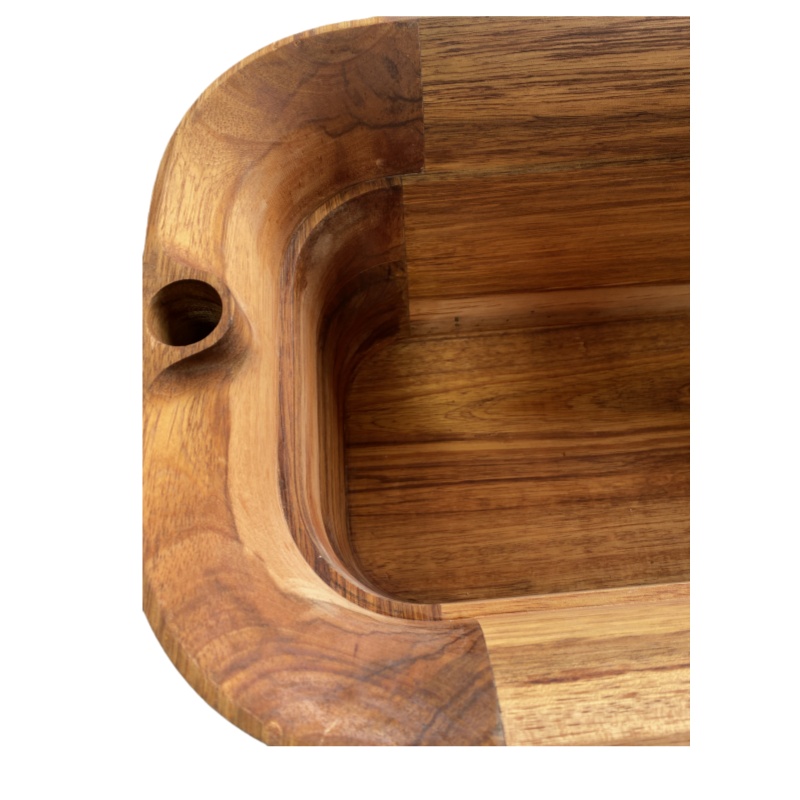
| Hardwood | Dense, smooth finish | Models, furniture parts |
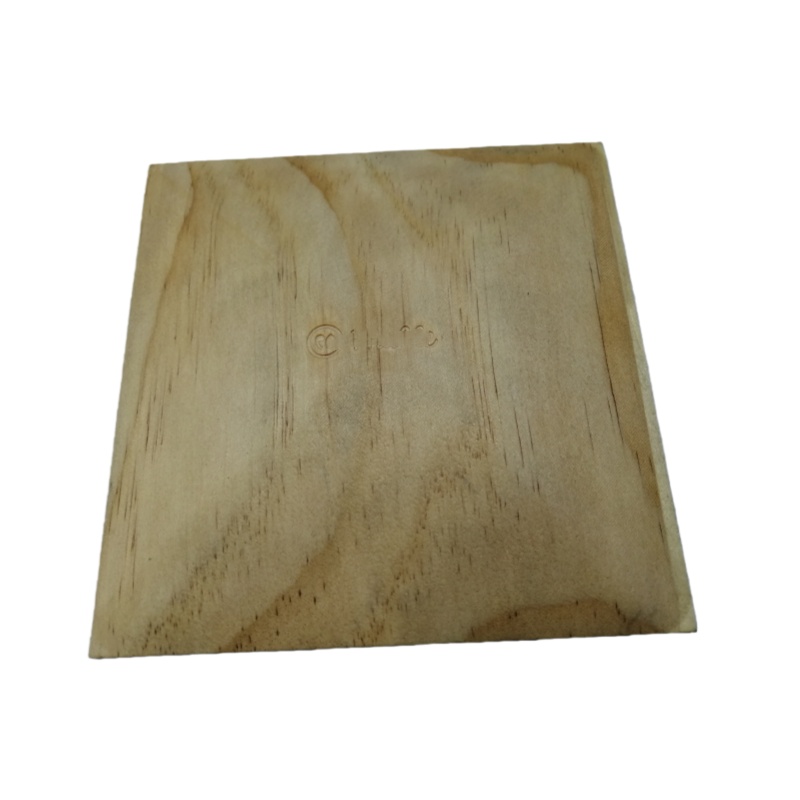
| MDF | Uniform, easy to paint | Jigs, display models |
| Plywood | Stable, layered | Structural prototypes |
Applications
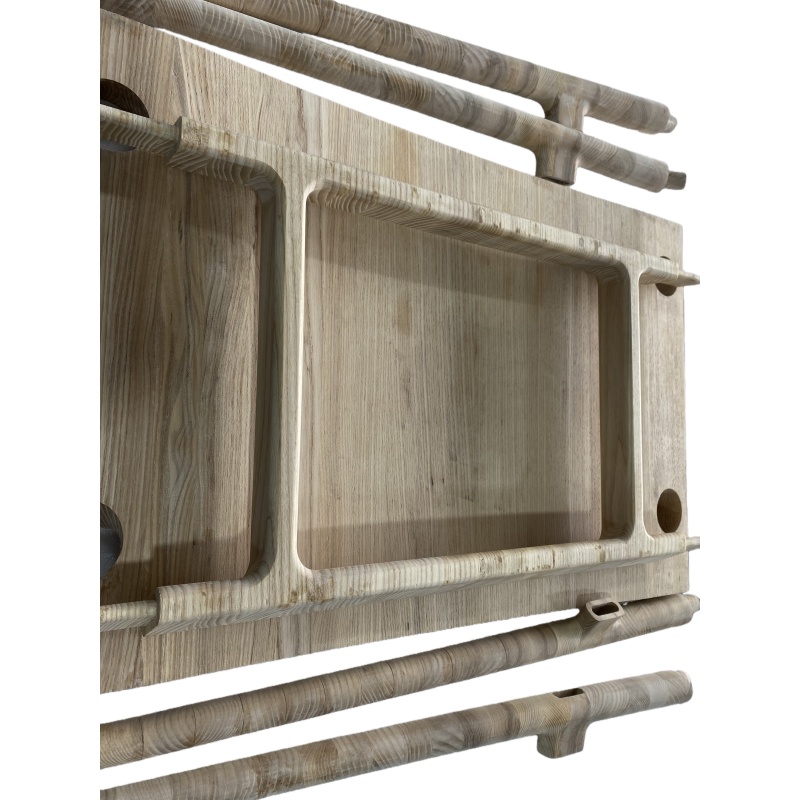
Wood is used for architectural models, packaging prototypes, furniture components and CNC engraving projects.
Frequently Asked Questions
What wood is best for CNC routing?
MDF is uniform and easy to machine and paint; hardwood gives a denser, finer finish.
Can wood parts be finished?
Yes — sanding, painting, staining and sealing are all available.